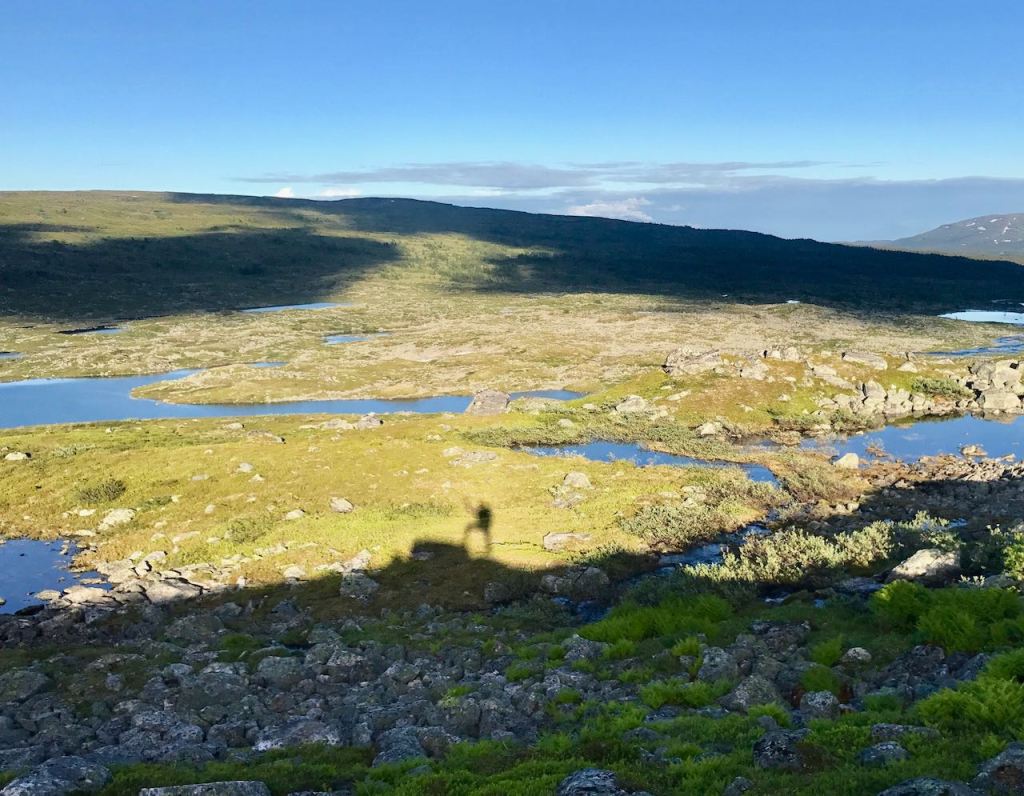
I had the great pleasure of joining Zoë Rom and Brendan Leonard on the Trailhead podcast recently, and I’ll admit I haven’t had a conversation so thoughtfully interwoven with philosophies and embodied practice since having taught in our Movement, Mind, and Ecology program at Schumacher College in 2023.
At one point, Zoë asked about some of my earlier writing on resilience vs resistance, when I was thinking through strategies to address climate change: By building more authentic relationships with the more than human world, in part through intentional embodied practice, we can, perhaps slowly, but steadliy, deepen our care for the world in which we live and for our neighbours, be they human or more.
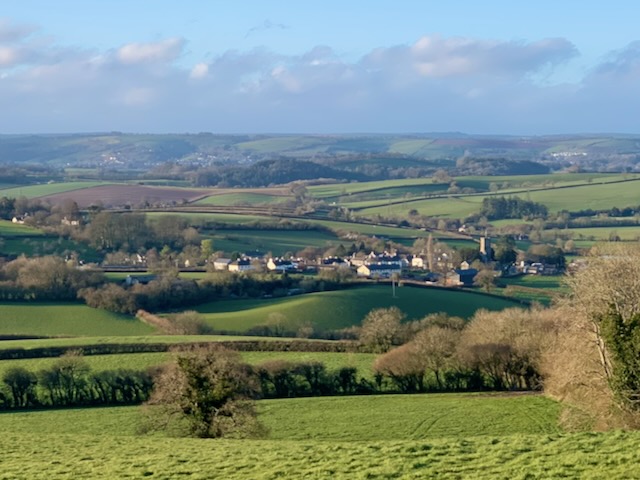
For me, these ideas were born during the Covid lockdown, when I was living alone in the tiny English village of Broadhempston, four miles from my office at Schumacher College, which I wasn’t allowed to go to despite having just moved across the Atlantic to do just that. The Movement, Mind, and Ecology master’s course was the product of these months of isolation — as a means of using the tools we have to leverage change in a world that seemed fully at sixes and sevens.
Thanks to Zoë and Brendan’s adept narrative wayfinding, the Trailhead conversation wove a thread from my endurance running projects in the 2010s — Icelandic traverse, 400 km in Arctic Scandinavia, the Faroe Islands 7 Summits, Dartmoor Tors, and more — to the writings of posthuman and new materialist thinkers — to what it means to continue to build resilience as we grow older.
Resistance has evolved to mean something different today than it did a decade ago. Today, many of us seek a pathway forward in an increasingly divisive political environment that seeks to indelibly reinscribe division and enmity rather than consider the interleaving stories within the tactile surface of our shared palimpsest.
Despite — or perhaps due to — this rapid shift away from a shared collaboratively designed future, resilience and regenerative action remain steadfastly critical alongside resistance movements to continually refold and reframe action as re-creating, re-imaging, re-generating.
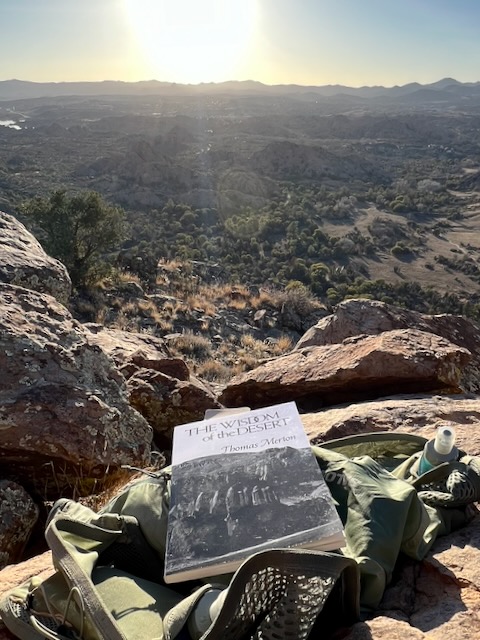
As part of my own resilience-building, I’ve been revisiting some well-worn favourites by Thomas Merton, Gretel Ehrlich, Nan Shepherd, and others. Most recently, I took a run into the desert with a copy of Merton’s Wisdom of the Desert, which seemed like the right thing to do on a late Sunday afternoon. In his introduction, Merton writes of the fourth-century monks who took to the deserts of what is today the Middle East, that:
… they had come into the desert to be themselves, their ordinary selves, and to forget a world that divided them from themselves. There can be no other valid reason for seeking solitude or for leaving the world. And thus to leave the world, is, in fact, to help save it in saving oneself. . . . Then they had not only the power but even the obligation to pull the whole world to safety after them.
This last part is what draws so many to action — to see movement (in Thomas Nail’s sense of movement and motion as cornerstones of our shared existence) as cooperative and cocreative, and of planting the seeds not just of contemplation, but of meaningful action.
Resilience and resistance are not at antipodes. In fact, to build a ‘distributed resilience’ with self, with community, and with the natural world is itself a powerful tool of resistance and action. Writing in the late 1950s, Merton offers a caution ever more apt:
We must liberate ourselves, in our own way, from involvement in a world that is plunging to disaster. But our world is different from theirs.
Our involvement in it is more complete.
Our danger is far more desperate.
Our time, perhaps, is shorter than we think.


Leave a comment